I love a good thrift store run as much as anyone. There’s something genuinely exciting about walking through those doors not knowing what you’re going to find.
Maybe an old wooden dresser with gorgeous bones, a worn ironstone pitcher, or box full of vintage linens.
The thrill is real.
But after 14 years of vintage reselling, I’ve also learned some hard lessons about what to leave on the shelf.
Not every rusty, crusty old thing is worth bringing home. Some items look like a deal but end up costing you more than they’re worth in time, money, or sheer frustration.
And if you’re reselling, a bad buy doesn’t just sit in your garage. It sits in your booth or your Etsy shop, not selling, tying up your capital.
So today I’m sharing the thrift store red flags I’ve learned to watch for. These are the things that make me put an item right back down and walk away.
Thrift Store Furniture Red Flags
I always spend time browsing the furniture section at thrift stores. I’ve found some awesome pieces over the years, but I’ve also made some major mistakes. Here’s what I’ve learned to look for before I ever load something into my car.
Bubbling or Peeling Veneer
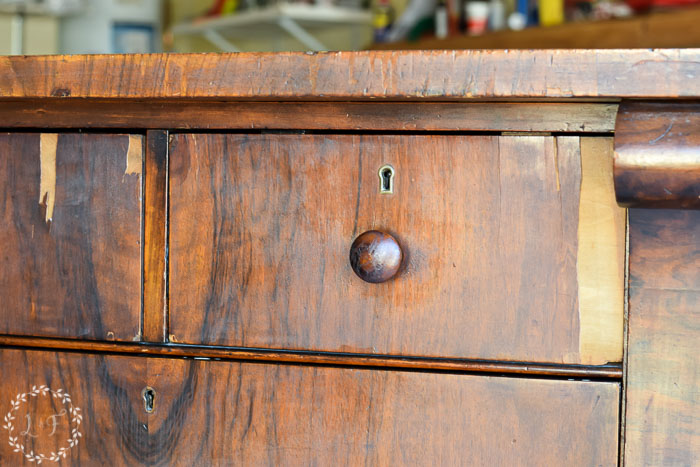
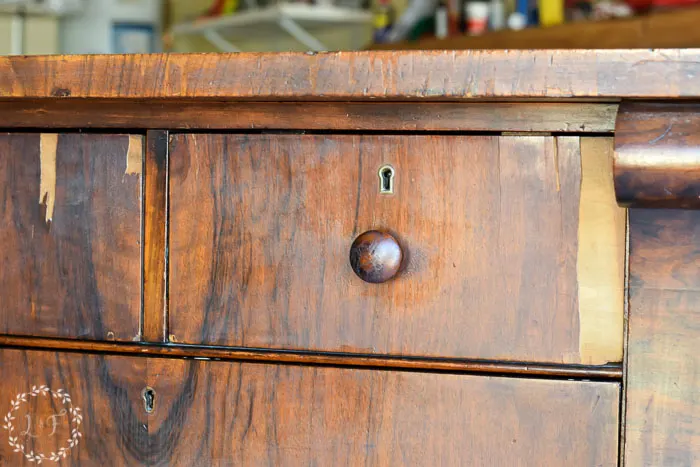
Veneer is that thin layer of real (or faux) wood that’s glued to the surface of a piece. When it starts to bubble, crack, or peel away from the substrate underneath, that’s a problem that can be hard to fix cleanly.
You can try to re-glue it down, but the results are rarely seamless, especially if the veneer has warped or shrunk. Even paint has a hard time hiding the edges once veneer starts lifting.
I leave these pieces behind unless the veneer damage is very minor and in an inconspicuous spot.
Wobbly Joints You Can’t Access
A wobbly chair or table isn’t automatically a dealbreaker because loose joints can often be re-glued.
But if the piece is constructed in a way that makes it impossible to get into those joints without completely disassembling it, just walk away.
Some furniture (especially older upholstered chairs with hidden frames) just isn’t practical to repair without professional help.
Upholstered Pieces with Mystery Stains or Musty Smell
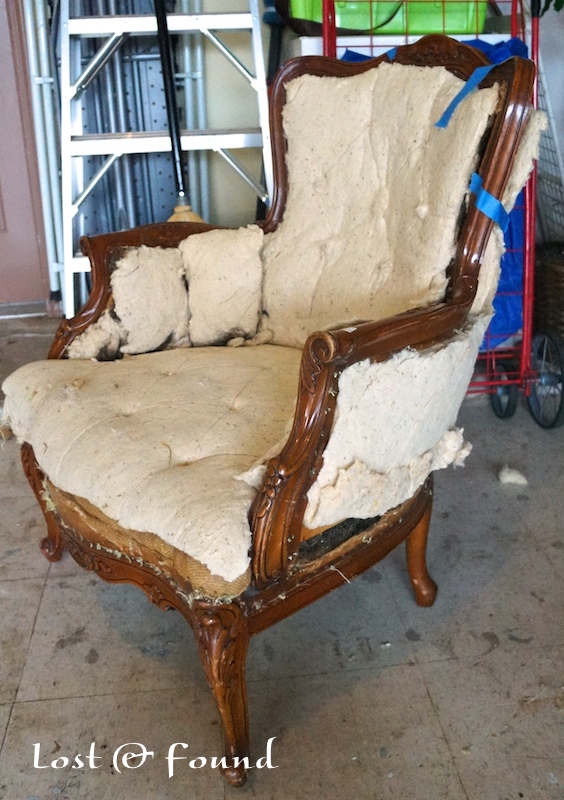
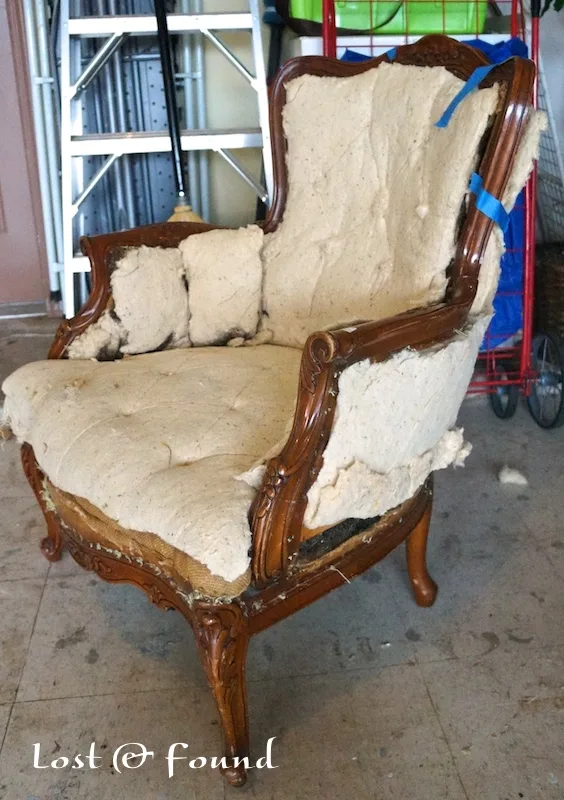
I have a general rule: if it smells, I don’t buy it. A strong musty odor in fabric rarely comes out completely, no matter how much you air it out or treat it.
Stains are another issue. Even if you plan to reupholster something, the cost of new fabric plus labor adds up fast. And on a cheap frame, that investment rarely pays off.
Unless you’re an experienced upholsterer yourself and love a project, mystery-stained fabric is a red flag.
Particleboard and MDF Construction
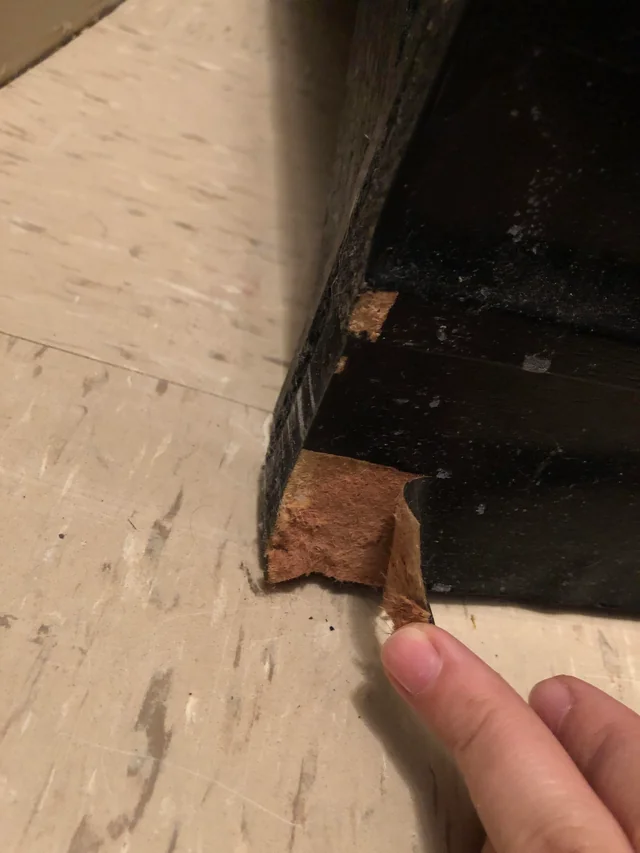
This one is especially important if you’re a furniture painter or reseller.
Particleboard and MDF are made from compressed wood fibers and glue. They don’t hold screws well, they swell and bubble when they get wet, and they’re much harder to repair than solid wood.
Sometimes you can spot it by weight, particleboard is heavy for its size. Other times, you’ll see it where the finish has chipped away at a corner, revealing the gray or tan compressed material underneath.
Either way, I mostly pass on these. I think focusing on real wood pieces (even ones with wood veneer) are better options.
Hidden Cost Red Flags
Sometimes a piece looks fine on the surface, but there are hidden expenses waiting for you once you get it home.
Missing Hardware
This one sneaks up on people. A dresser with three mismatched drawer pulls and one missing entirely might seem like a minor issue, but replacing hardware isn’t cheap.
A set of vintage-style bin pulls or ceramic knobs can easily run $5–$10 per piece, and suddenly your $20 dresser has a $60 hardware bill attached to it.
Always do a hardware count before you buy, and factor replacement costs into your price.
Lamps with Damaged or Missing Cords
Vintage lamps can be gorgeous, but rewiring a lamp isn’t always a five-minute project.
If the cord is frayed, cracked, or missing entirely, budget for either a rewiring kit and some time, or a professional, and make sure the lamp is actually worth that extra effort before you buy it.
“I’ll Fix It Someday” Items
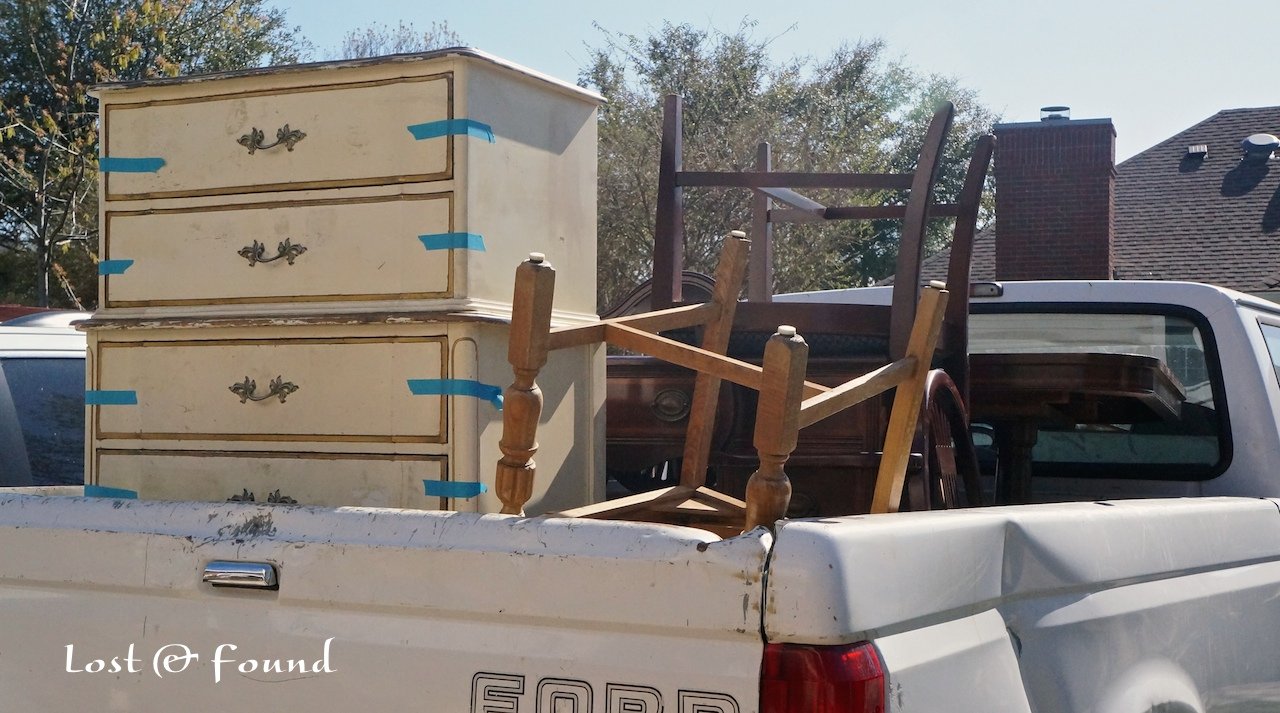
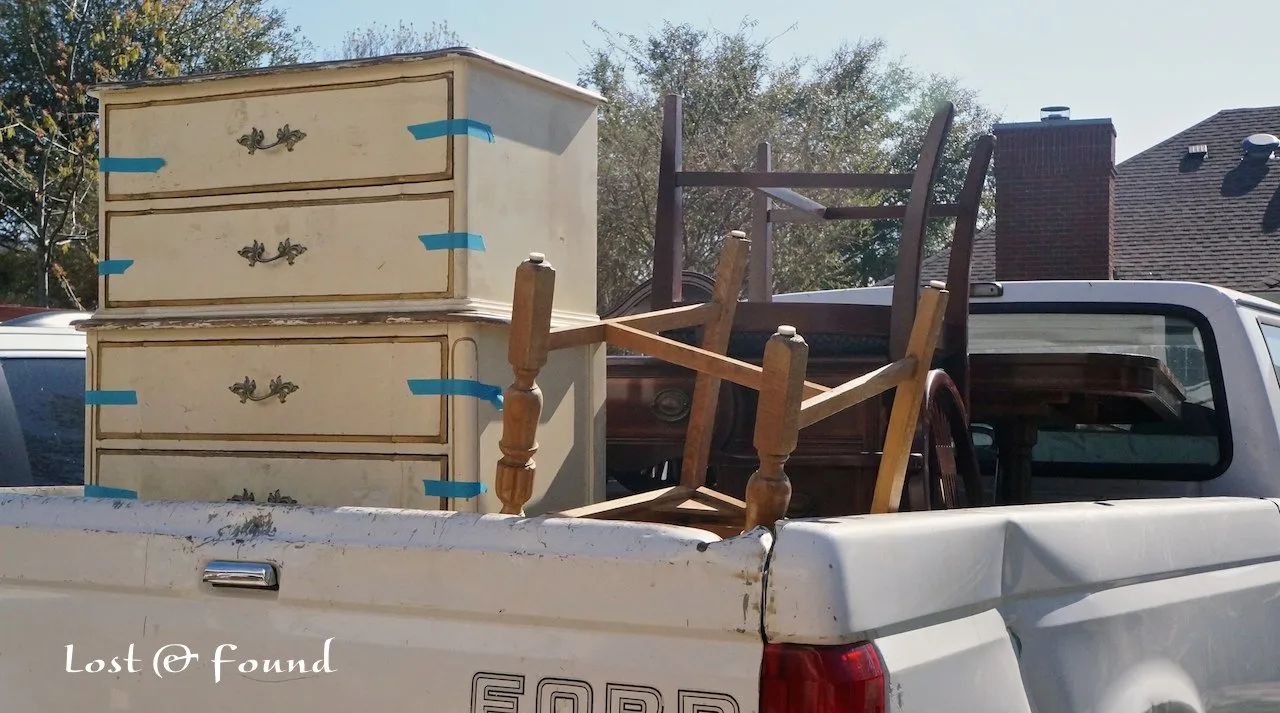
We all know this trap. You see something with great potential, but it needs more work than you want to admit. And you think, I’ll get to it.
Trust me, I’ve been there!
Here’s the honest truth: the “someday” pile is where money goes to sit and collect dust.
If you’re buying for resale, be ruthless. If it needs significant repair to be sellable, the math usually doesn’t work.
And if you’re buying for your home, only bring it home if you have a concrete plan and a timeline, not just a hope.
Avoiding projects is one of the biggest lessons I have learned as a thrifter and reseller. I’ve lost so much money over the years with things I never got around to fixing, so learn from my mistake!
Red Flags for Antique Booth Resellers
If you’re stocking an antique booth, the rules shift a little.
You’re not just asking “do I love this?” You’re also asking “will someone else pay for this, and will it move?”
Here are the specific decor categories I’ve learned to be cautious about.
Mass-Produced “Vintage-Look” Items That Aren’t Actually Vintage
This one trips up a lot of newer resellers. Not everything that looks old is old.
Over the past couple of decades, a huge wave of mass-produced “rustic” and “farmhouse” decor flooded the market; think galvanized metal signs with faux weathering, resin “antique” crocks, or distressed picture frames from big box stores.
These pieces have no real age or story behind them, and savvy antique booth shoppers can usually tell.
They came to your booth specifically to find the real thing. Unless your space is catered to more pure home decor shoppers, be wary of the reproduction items. And especially don’t try and price them like they are true antiques.
Single-Pattern Collectibles Without a Built-Out Collection
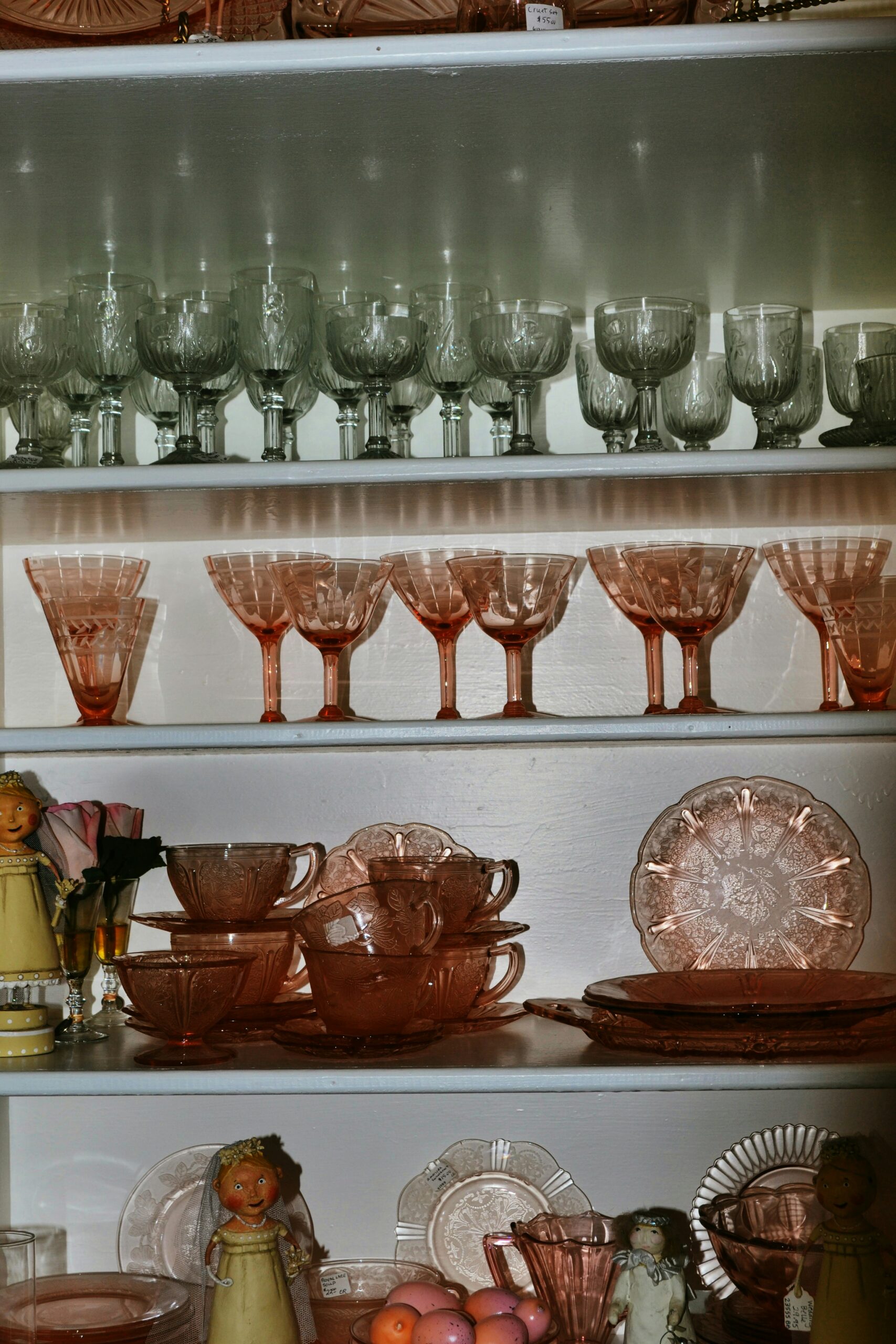
A lone Pyrex bowl or one piece of Depression glass is harder to sell than you’d think, especially if it doesn’t fit the style of the other items you sell.
Collectors are looking for specific patterns, and they want options. One orphaned piece sitting on a shelf at full price is easy to walk past.
If you’re going to stock collectibles in your booth, try to build out at least a small grouping of the same pattern or category.
A little collection draws the eye and gives buyers a reason to stop. One lonely piece mostly just takes up real estate.
Incomplete Sets Sold as-Is
A set of dishes missing four plates. A canister set with no lids. A lamp with no shade. These things feel like a deal because the price is low, but booth shoppers are practical.
Much like your own personal DIY projects that sit unfinished, shoppers generally aren’t interested in finishing a project. They’re shopping for convenience and want something ready to go.
Incomplete sets also become very hard to price fairly. Too high and no one bites; too low and you’ve lost money.
Unless you can style it creatively so the incompleteness doesn’t matter, move on.
Items That Are Trendy Collectibles Already Priced Too High at the Thrift Store

Thrift stores have gotten a lot smarter about pricing in recent years.
Many of them now look items up online before tagging them, which means that Pyrex bowl or those McCoy planters might already be priced close to what you’d sell them for in your booth.
It’s tempting to grab every thing you think is a trendy score, no matter what the price is. But the best resellers know that the right item at the wrong price is the wrong item.
Your profit comes from the spread between what you pay and what you sell for. If the thrift store has already closed that gap, there’s nothing left for you.
It’s not a deal just because it’s at Goodwill. Do a quick eBay sold-listings check on your phone before you commit.
Damaged Items You Plan to Sell “As-Is”

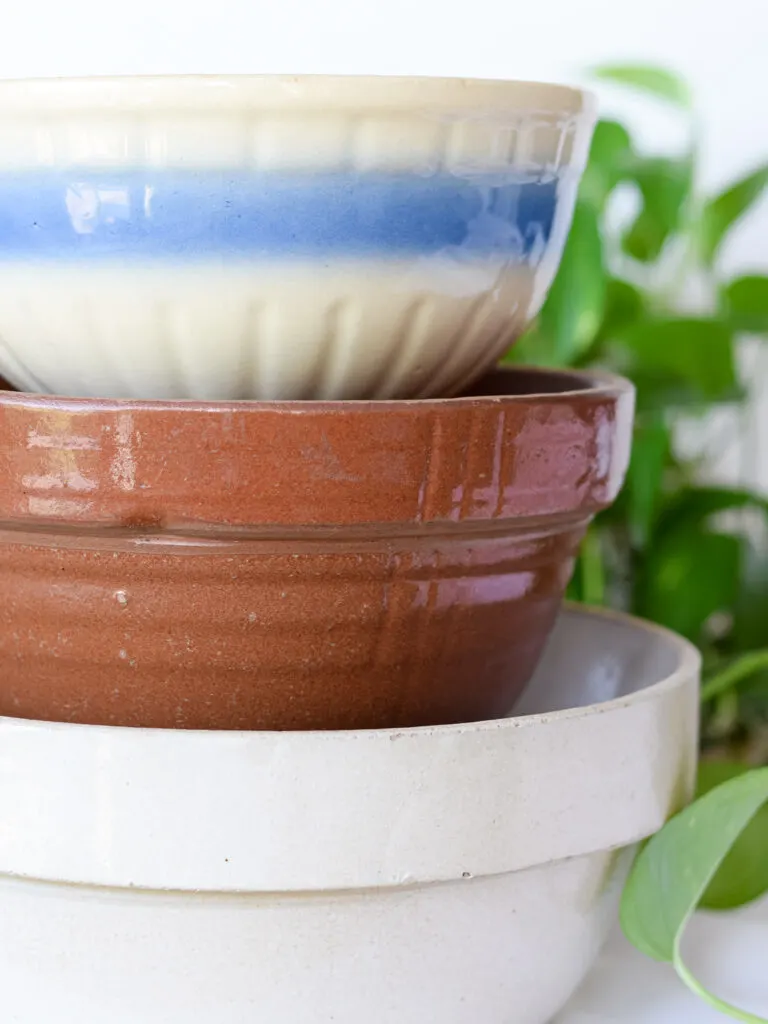
I get it, sometimes a piece is so charming that you think someone will overlook the chip or the crack. And occasionally, that’s true (I’ve sold many a chipped ironstone pitcher in my years!)
But as a general rule, booth shoppers are looking for items in good-to-great condition. Visibly damaged pieces tend to linger, collect dust, and eventually get marked down.
The exception is when the damage is part of the character, like a beautifully worn surface or chippy paint that adds texture and isn’t actively shedding.
There’s a difference between patina and damage, and learning to tell them apart is one of the most valuable skills you’ll develop as a reseller.
Knowing What to Skip Makes You a Better Shopper
Here’s the thing; knowing what to walk away from actually makes your thrifting trips more fun, not less.
You stop second-guessing yourself on bad pieces, and you feel a lot more confident when you do find something great.
I know there’s a temptation to rescue every piece, but the longer I’m in the game the more I’m convinced it’s ok to let some pieces go.
You’ll get the best results thrifting when you learn to do it smart. The right pieces are out there, and you’ll find them faster when you’re not distracted by the wrong ones.
Now get out there and happy hunting!
Looking for more vintage reselling tips? You might enjoy these: