
For most of my 14 years as a vintage reseller, I’ve mostly avoided reselling collectibles.
You know the kind of items I’m talking about . . . things like figurines, collector’s plates, or commemorative dolls, that kind of stuff. Really anything that was manufactured with the specific intent to be collected.
I’ve always focused more on selling decorative antiques instead, pieces that are used for display or building an interesting vignette.
To be honest, I assumed the collectible market had mostly faded away.
But over the holidays I decided to try something different, and the experience completely changed my perspective.
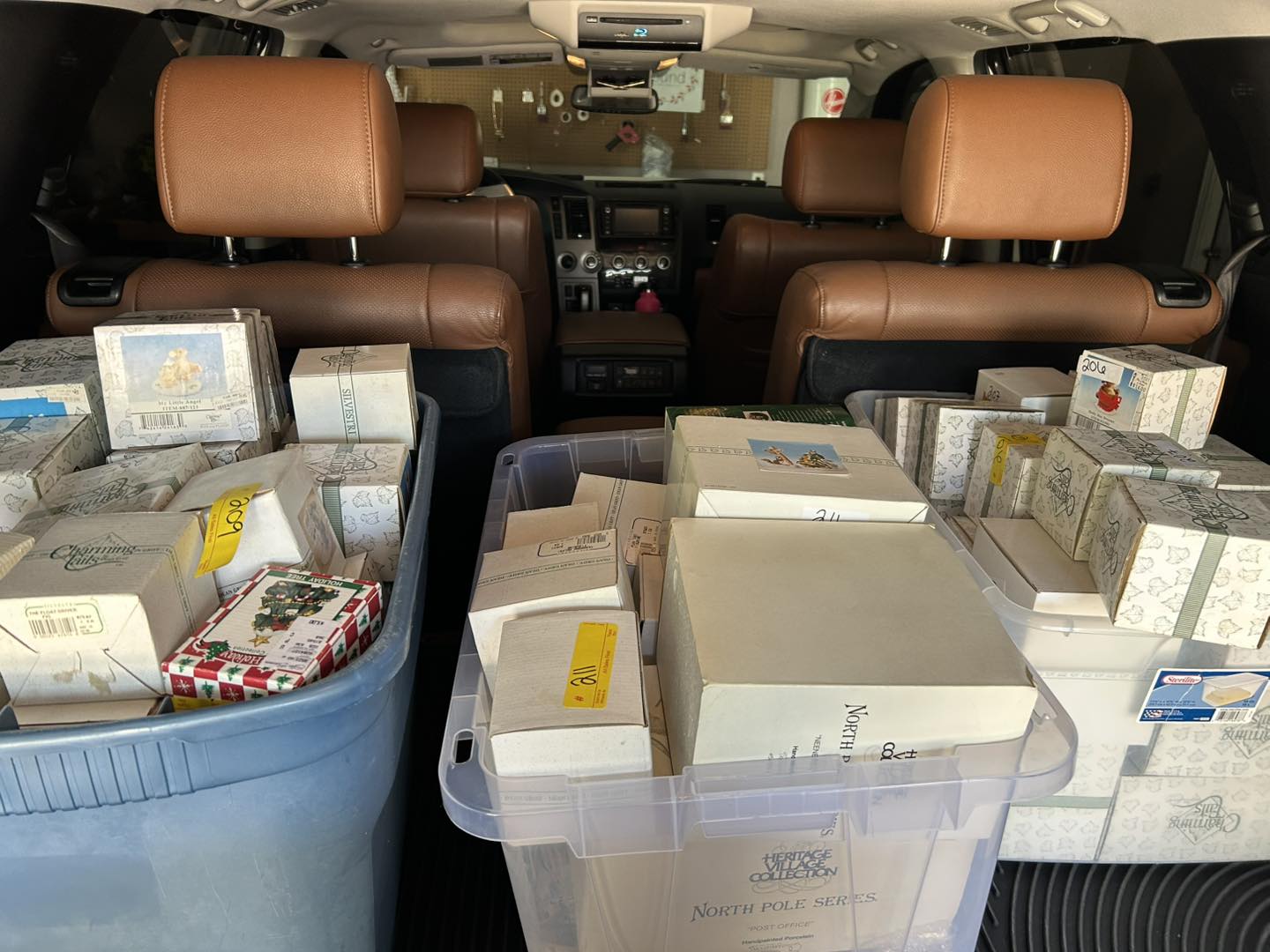
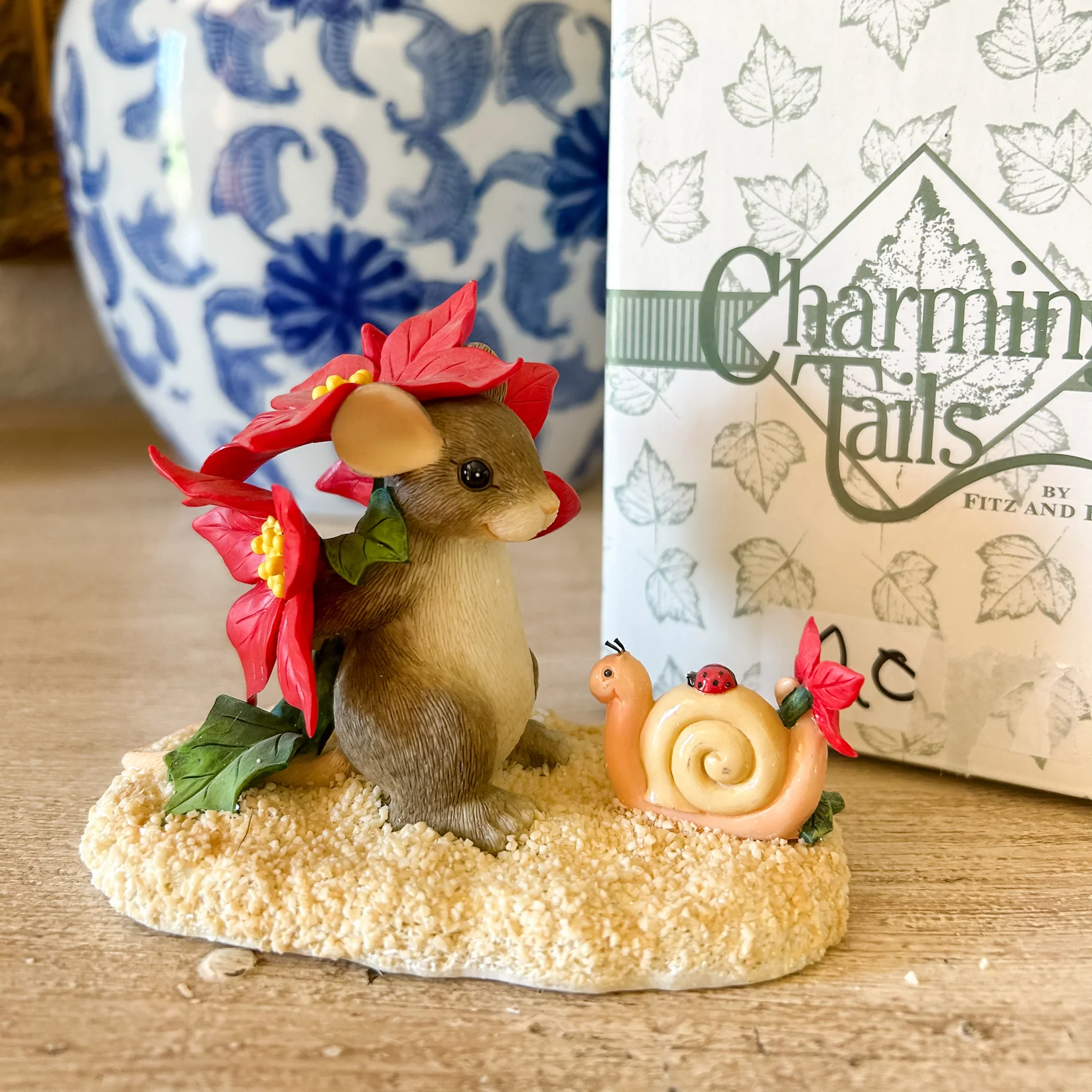
I bought a large lot of vintage 1990’s collectible mice figurines at an auction—63 boxed figurines in total. At the time I honestly wondered if I had made a huge mistake!
But by the end of the holiday season, I had sold 53 of them, and the results taught me a lot about how the collectible market actually works today.
In the video below I break down the full story and what I learned along the way.
WATCH IT HERE
What I Learned About Reselling Collectibles
While the video shares the full breakdown, there were a few big lessons that stood out from the experience.
#1 Buy Them Cheap
Unlike many antiques and vintage items, most collectibles don’t dramatically increase in value over time. In many cases, they still sell for roughly the same price they did when they were originally purchased.
That means your profit comes down to how cheaply you can source them.
Estate sales, thrift stores, and auctions are usually the best places to find them at prices that leave room for profit. Don’t expect to buy them at close to their original retail price and sell for a high dollar. You have to be a budget shopper to make this work.
#2 Collections Sell Better Than Single Pieces
One collectible by itself rarely attracts much attention.
But when you have a large selection of the same type of item, collectors start to take notice.
When buyers realize you have multiple pieces they’re looking for, they’re far more likely to purchase, and many often come back again.
That’s exactly what happened with my figurines. Many customers bought more than one because they could browse a whole group of them.
If you bulk purchase collectibles, that can also help you find them at a cheaper price. Always ask the seller, “What price would you offer if I bought them all?” Bulk buying is a powerful negotiating tool.
#3 The Right Marketplace Matters
One of the biggest surprises for me was where the sales actually happened.
Most of the figurines did not sell in my local antique booth. Instead, the majority of them sold online, especially on Etsy.
Collectors tend to search for very specific items, and online marketplaces make it much easier for them to find exactly what they’re looking for. If you’ve not had much luck selling collectibles in an antique booth space, try the online market before giving up entirely.
Condition Makes a Big Difference
When it comes to collectibles, the details really matter.
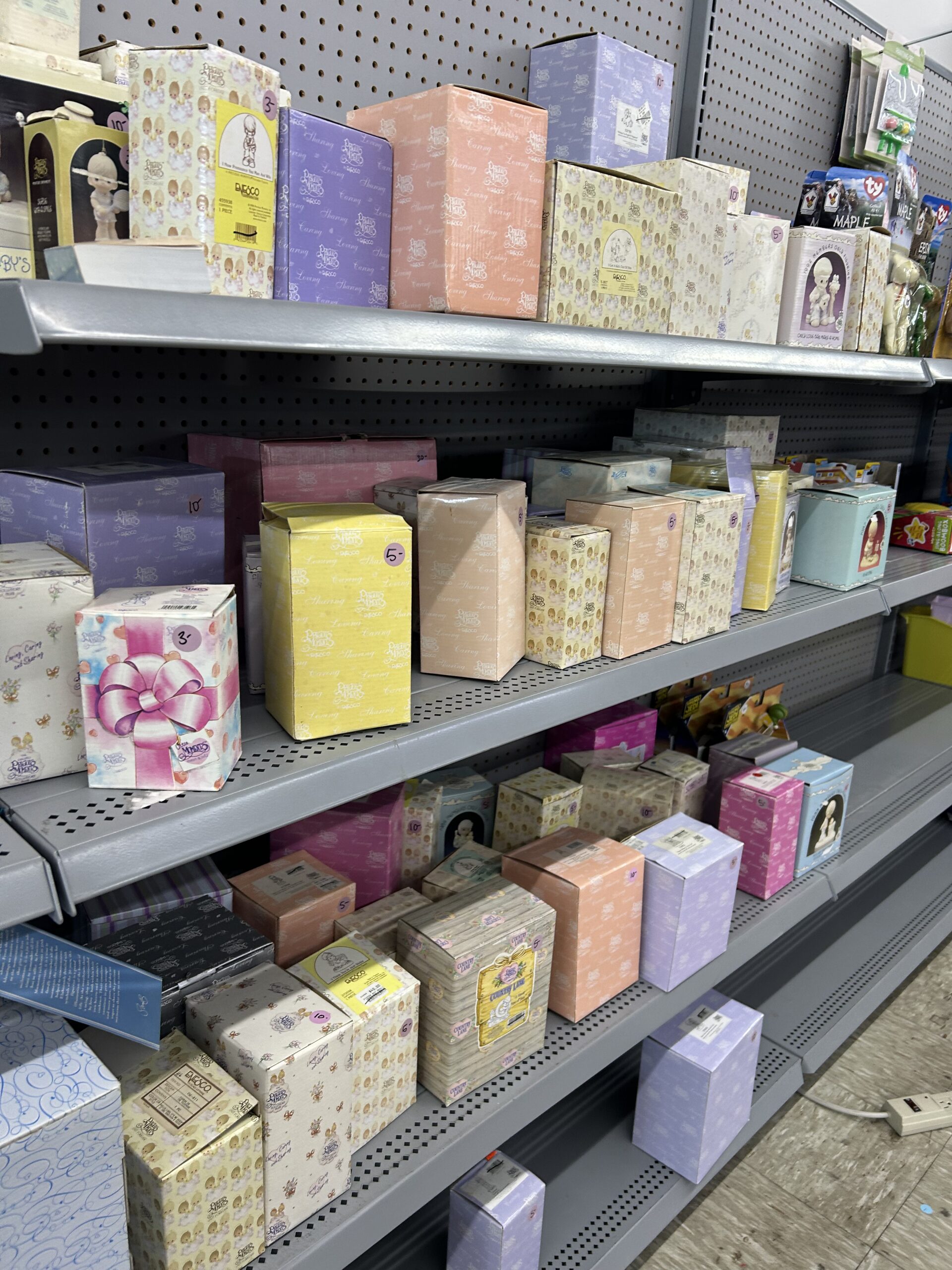
Original boxes, tags, packaging, inserts, and paperwork all make a piece more appealing to collectors. Even things like the original styrofoam packaging or pamphlets can help a collectible sell faster and for a better price.
If you can purchase collectibles with all the original pieces and packaging, it’s always better.
So… Is the Collectible Market Dead?
After this experience, I really don’t think so!
Many collectibles aren’t skyrocketing in value the way people once hoped they would. But if you can buy them at the right price, sell them in the right place, and offer a good selection, they can still be a very solid category for resellers.
If you want to hear the full story, including exactly what I paid for the figurines, where they sold, and other collectible categories that can still do well, watch the video above.
You might just find a few overlooked opportunities the next time you’re out sourcing.
You might enjoy these other blog posts about reselling!
7 Reasons Why Antique Booths Fail