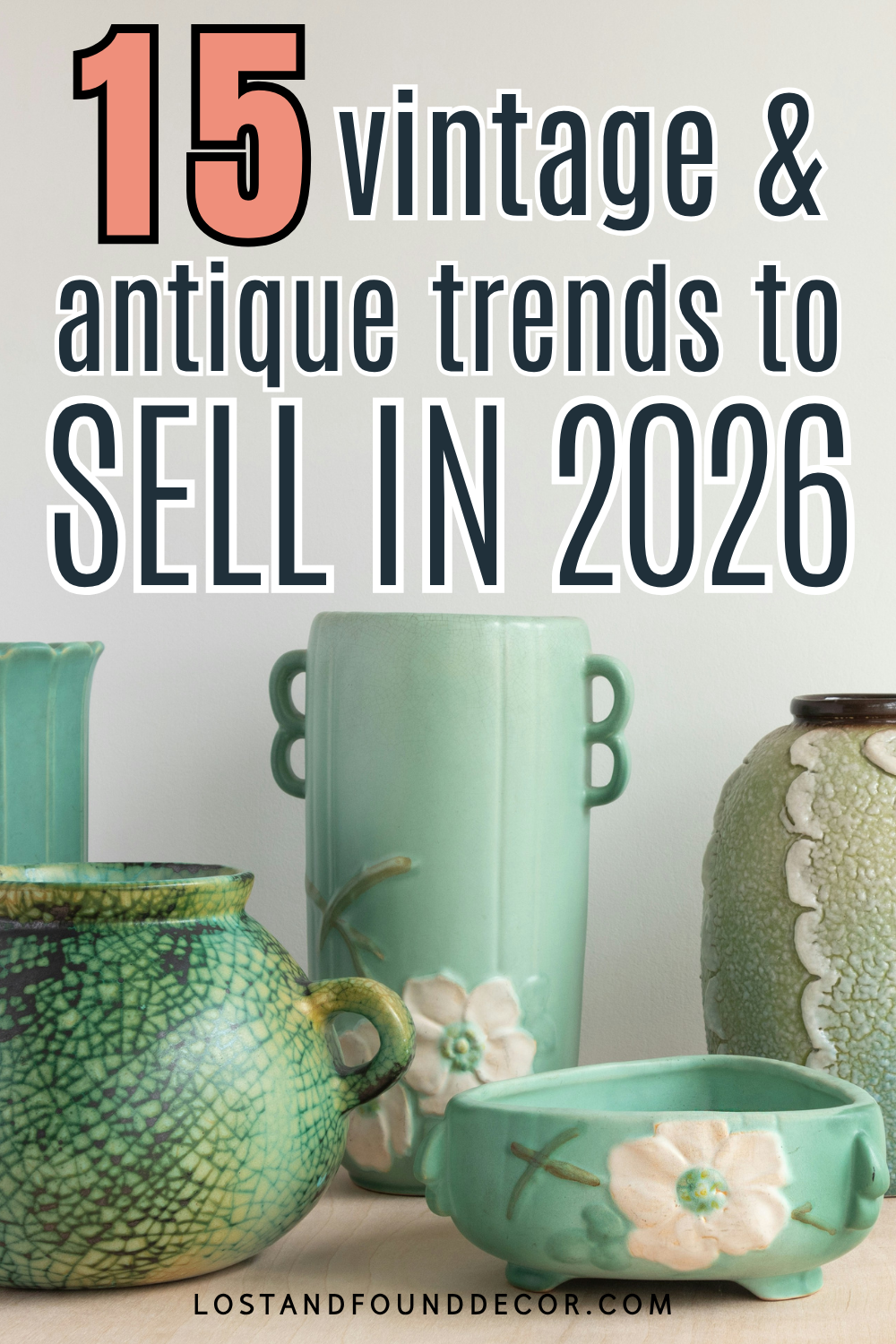
If you sell vintage or antiques, knowing what customers are looking for can give your business a nice little boost.
Trending items can attract new shoppers into your antique booth, give you ideas for what to hunt for at estate sales, and even help your listings show up better in online searches.
And after almost 15 years in the vintage resale business, I can tell you, trends definitely come and go.
I’ve watched items go from impossible to keep in stock, to practically unsellable, and then sometimes circle right back around again.
So today I’m sharing 15 vintage and antique trends to sell in 2026, along with a few categories that seem to be slowing down.
But before you head out and start buying everything on this list, stick with me. Because there’s something really important we need to talk about when it comes to buying trends for your resale business.
Let’s jump in!
This blog generates revenue via ads • This blog may contain affiliate links
1. Original Vintage Art
Original art continues to sell extremely well, especially pieces that feel a little darker and moodier.
Think:
- oil paintings
- landscapes
- portraits
- watercolors
- still life portraits
- interesting vintage frames
The continued popularity of Dark Academia and collected, layered interiors has helped push this forward.
People want their homes to feel interesting and personal, and frankly, there’s only so much interesting artwork you can find at the big-box stores.
2. Vintage Mirrors
Here’s a perfect example of how trends cycle.
Years ago, I could barely keep vintage mirrors in stock, then suddenly they stopped selling.
Well, guess what? Mirrors are back.
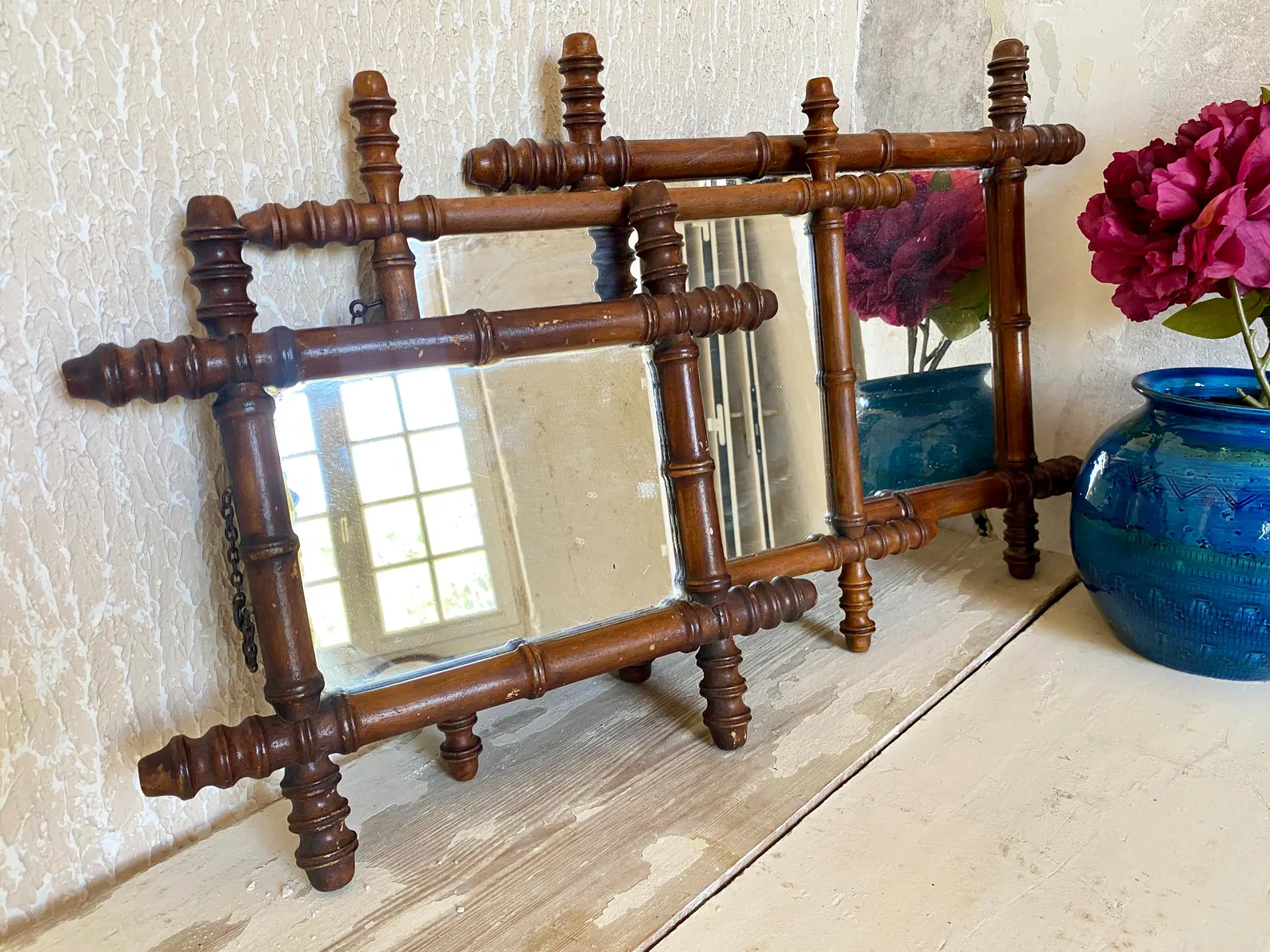
I’m seeing interest in mirrors of all shapes and sizes, especially ones with interesting frames or architectural details.
They’re also incredibly versatile from a decorating standpoint. You can use them over a dresser, in an entryway, tucked into a gallery wall, or layered behind other decor.
Mirrors like these French faux bamboo ones are particularly hot right now.
3. Bamboo and Rattan
So like I said above . . . bamboo and rattan are having another moment!
This look was popular about ten years ago, cooled down for a while, and has cycled back around again.
Unfortunately, some of the authentic older versions can be difficult to source, and expensive when you find them. But I would keep an eye out for anything with a similar look:
- faux bamboo mirrors
- bamboo side tables
- rattan shelves
- woven stools
- small bamboo accessories
You don’t necessarily have to find the exact piece everyone is showing on Instagram. Sometimes finding something with the same overall aesthetic is enough.
4. Vintage Quilts
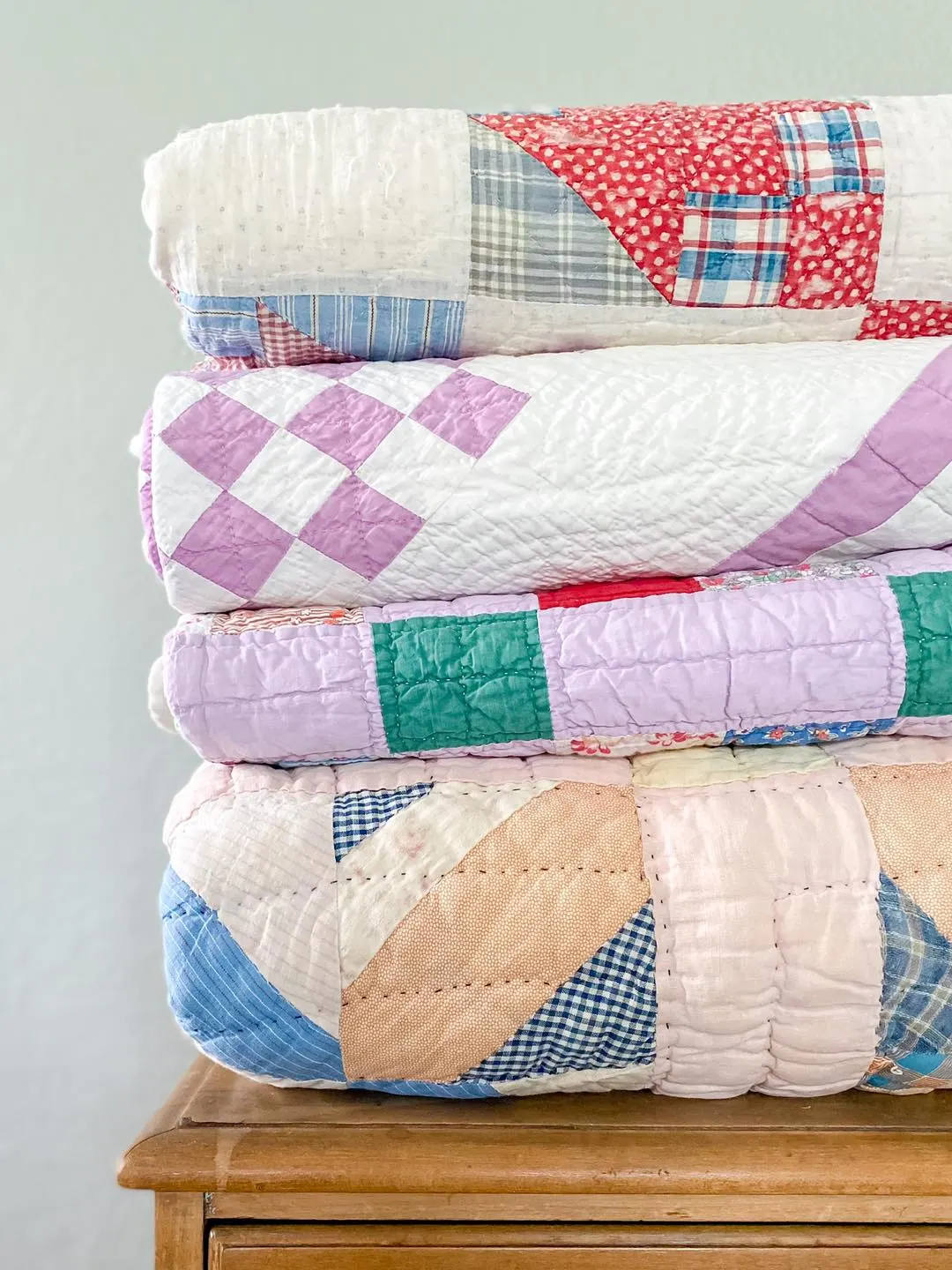
Vintage quilts continue to be one of my strongest sellers.
Honestly, almost every good vintage quilt I can get my hands on sells. And they don’t even have to be perfect.
Some buyers are completely comfortable with a little wear, staining, or an old repair because that history is part of what makes these textiles appealing.
The cottage-inspired decorating movement is still going strong, and old quilts bring warmth, texture, color, and authenticity into a room.
I’ve sold quilts in all kinds of colors and patterns, but if you happen to find a great two-color quilt, like white with blue, red, or green, those seem to do especially well.
Depending on where you live, good quilts can be difficult to source. Estate sales and online auctions are two places I would watch.

5. Silver Plate
When I first opened my antique booth in 2012, I sold a ton of silver plate, and back then you could find it everywhere for almost nothing.
Eventually silver was pushed aside by brass, and for several years brass completely dominated the vintage decor world.
But I think the pendulum is beginning to swing back.
I’m seeing more interest again in:
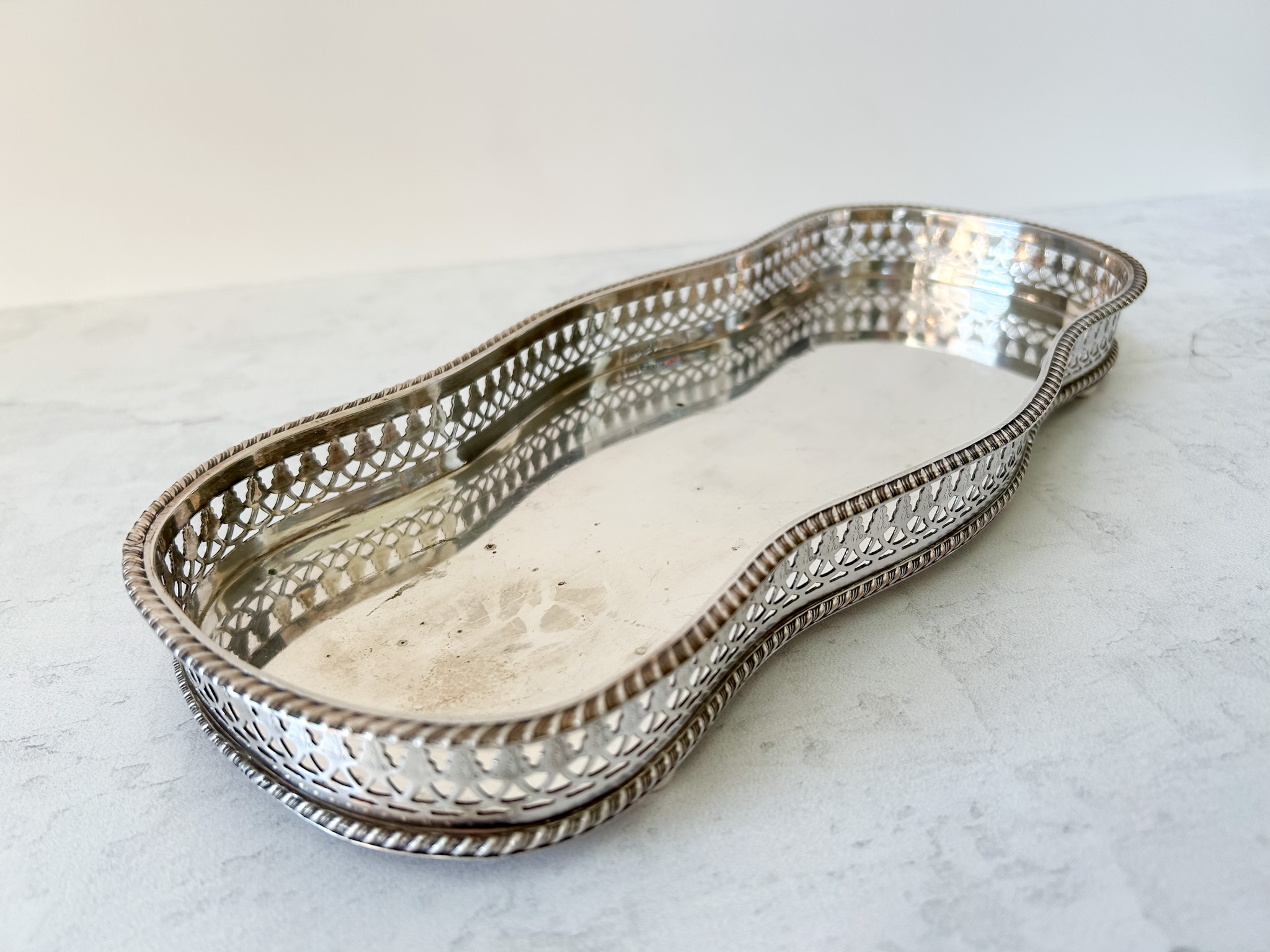
- ornate silver trays
- silver plate pitchers
- serving pieces
- bowls
- unusual utensils
- decorative silver pieces
One interesting change is that buyers seem more open to polished silver again rather than wanting everything heavily tarnished.
6. Cut Glass and Crystal Serving Pieces
Now this one may surprise you! Cut glass and crystal serving pieces are starting to look interesting again.
If you’re around my age, you probably remember registering for all this stuff when you got married. I think I personally had 4 crystal bowls and 2 platters to unwrap after my honeymoom.
But the generation behind didn’t necessarily register for all of those traditional serving pieces.
Now many of them are in their 30s and early 40s, hosting dinners, showers and parties, and they’re tired of buying disposable plastic and paper serving pieces.
I recently sourced a glass punch bowl and several vintage snack sets for a friend who hosts a lot of events. She was tired of throwing everything away and wanted something she could reuse again and again.
The great news for resellers is that this category is still plentiful and inexpensive in many thrift stores and estate sales!
I would especially watch for complete sets and pieces that feel timeless rather than overly formal.
7. Vintage Barware
Along those same lines, vintage barware continues to be popular.
Younger buyers may not want an entire matching china or crystal set, but they often love having a few interesting pieces with history and character when friends come over.
Look for:
- cocktail glasses
- decanters
- ice buckets
- cocktail shakers
- vintage trays
- bar tools
Mid-century barware in particular continues to have a strong following.
A Quick Word About Buying What’s Trending
Before we finish the list, let’s pause for just a second and address a common question I get.
“What should I buy? What’s selling right now?”
I totally understand why that’s the first question anyone asks. Finding trending items absolutely can boost your sales and may feel like the key to a successful business.
But I want to make one thing very clear: Trending inventory is not the magic bullet that fixes a struggling resale business.
There are three problems I see happen when sellers focus too heavily on trends.
1. You Can Pay Too Much
Once everyone realizes something is popular, sourcing prices usually rise.
And if you pay $40 for something just because you know you can sell it for $50, you haven’t accomplished much.
You’re just cycling money through your business. I call this the buy-to-sell and sell-to-buy cycle.
You sell something and immediately spend all that money buying something else.
Your booth may look busy and your sales numbers may look decent, but somehow there’s never any actual money left over. And that my friend is not a sustainable business.
You need enough margin to cover your expenses, set money aside for taxes, buy new inventory and pay yourself.
If figuring out those numbers is something you struggle with, I created my Business Budget Tracker specifically for small business owners like us.
It’s the same simple spreadsheet I use every month to track my sales, inventory spending, expenses, taxes and paycheck.
>>> GET THE BUSINESS BUDGET TRACKER HERE
2. Selling Stuff Isn’t the Same as Building a Business
This is something I’ve said over and over through the years: There is a difference between selling stuff and building a business.
To stay in this long-term, you need more than cool inventory.
You need:
- healthy profit margins
- consistent sourcing systems
- a workable inventory budget
- a recognizable brand
- repeat customers
- good cash-flow management
Those things aren’t quite as exciting as finding the perfect piece at an estate sale, but they’re what keep you in business.
If you focus solely on trending items, you may miss giving attention to the less flashy areas of your business that will actually help you keep doing this for the long haul.
Remember it’s a marathon, not a sprint.
3. Your Local Market May Be Different
This is especially important if you sell primarily from an antique booth! Online sellers may have access to customers across the country, or even around the world.
But your antique booth doesn’t. You have to service the needs of the people who live in your area and will walk through your doors. And what they’re looking for may be completely different from what buyers want somewhere else.
So use lists like this as inspiration, then become a student of your own market.
What are people picking up?
What disappears from your booth quickly?
What are customers asking for?
What are the strongest vendors in your mall selling?
Those answers matter more than any national trend report.
Alright, back to our list!
8. Swan Decor
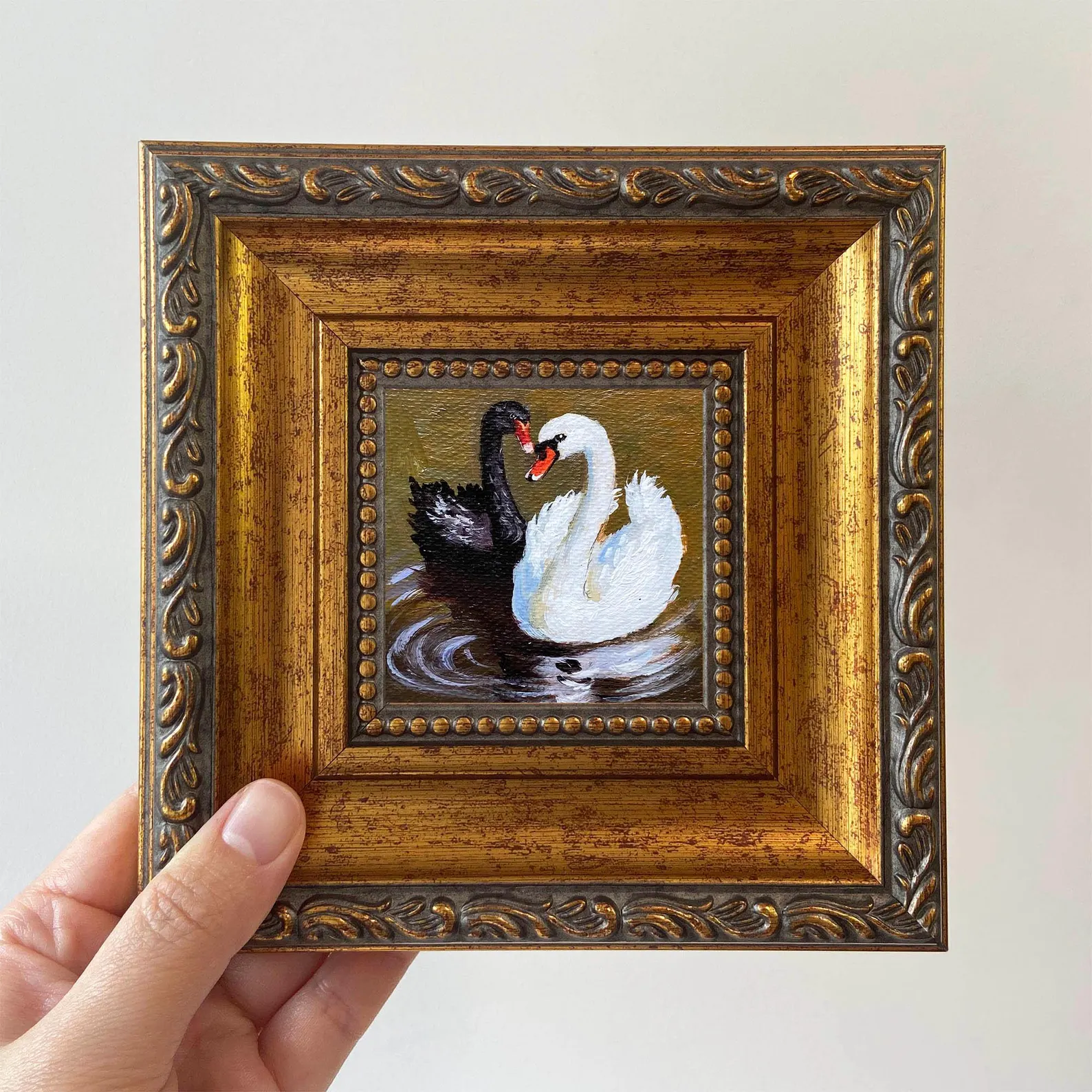
Yes, swans! I recently had a customer specifically ask me if I had any swan pieces.
We saw ducks everywhere during the recent 1990s revival, and birds in general remain popular, but swans seem to be having a particular moment.
Watch for:
- vintage swan artwork
- brass or ceramic swans
- garden pieces
- planters
- figurines
- bookends
This is one of those fun micro-trends that I wouldn’t spend a fortune chasing, but if I found the right piece at the right price, I would definitely pick it up.
9. Cabbageware and Majolica
For a long time, the vintage decorating world was dominated by white ironstone and neutral pottery.
And while white ironstone is still super popular, color is making a big comeback.
Cottage-inspired decorating and the Grandmillennial look have encouraged people to embrace pieces that feel a little more cheerful and collected.
I recently had someone tell me she was tired of decorating with nothing but neutrals, and instead she wanted things in her home that gave her a little dopamine kick.
I think that’s exactly where some of these colorful Majolica pieces fit. Cabbageware in particular continues to be popular.
And while authentic older pieces are certainly collectible, even some of the newer versions seem to sell well.
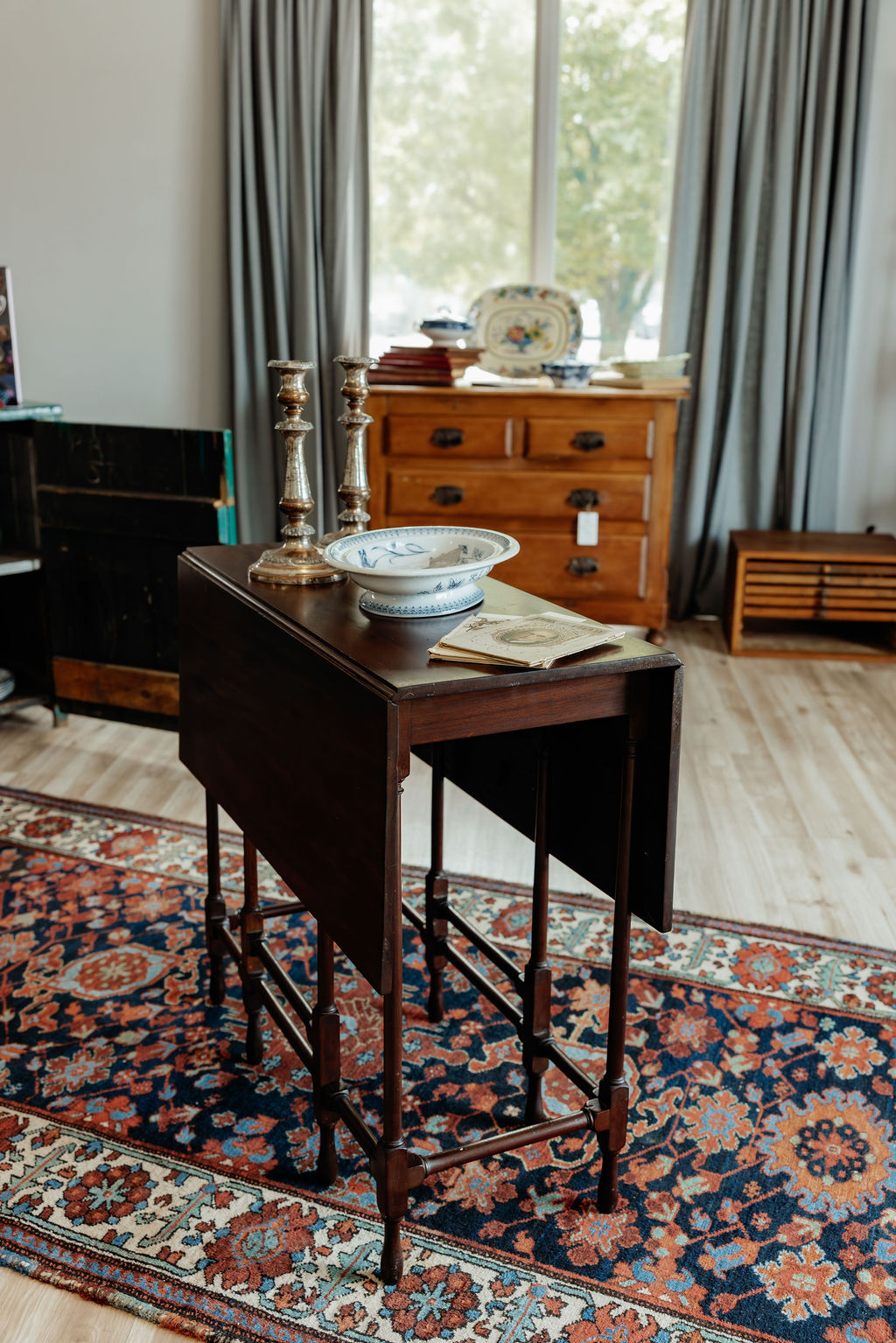
10. Small Antique Furniture
I love big antique furniture.
Give me a giant old cabinet or an English pine dresser any day.
But right now, the smaller furniture pieces are often easier sellers.
Think:
- stools
- benches
- nightstands
- side tables
- small cabinets
- footstools
There are several reasons why.
They’re easier for customers to work into an existing room. They often cost less than a major antique furniture purchase. And for online sellers, some small furniture can actually be shipped.
For someone who is just starting to experiment with antique furniture, buying a little stool or side table feels a whole lot less intimidating than buying a six-foot cabinet.
11. Vintage Costume Jewelry
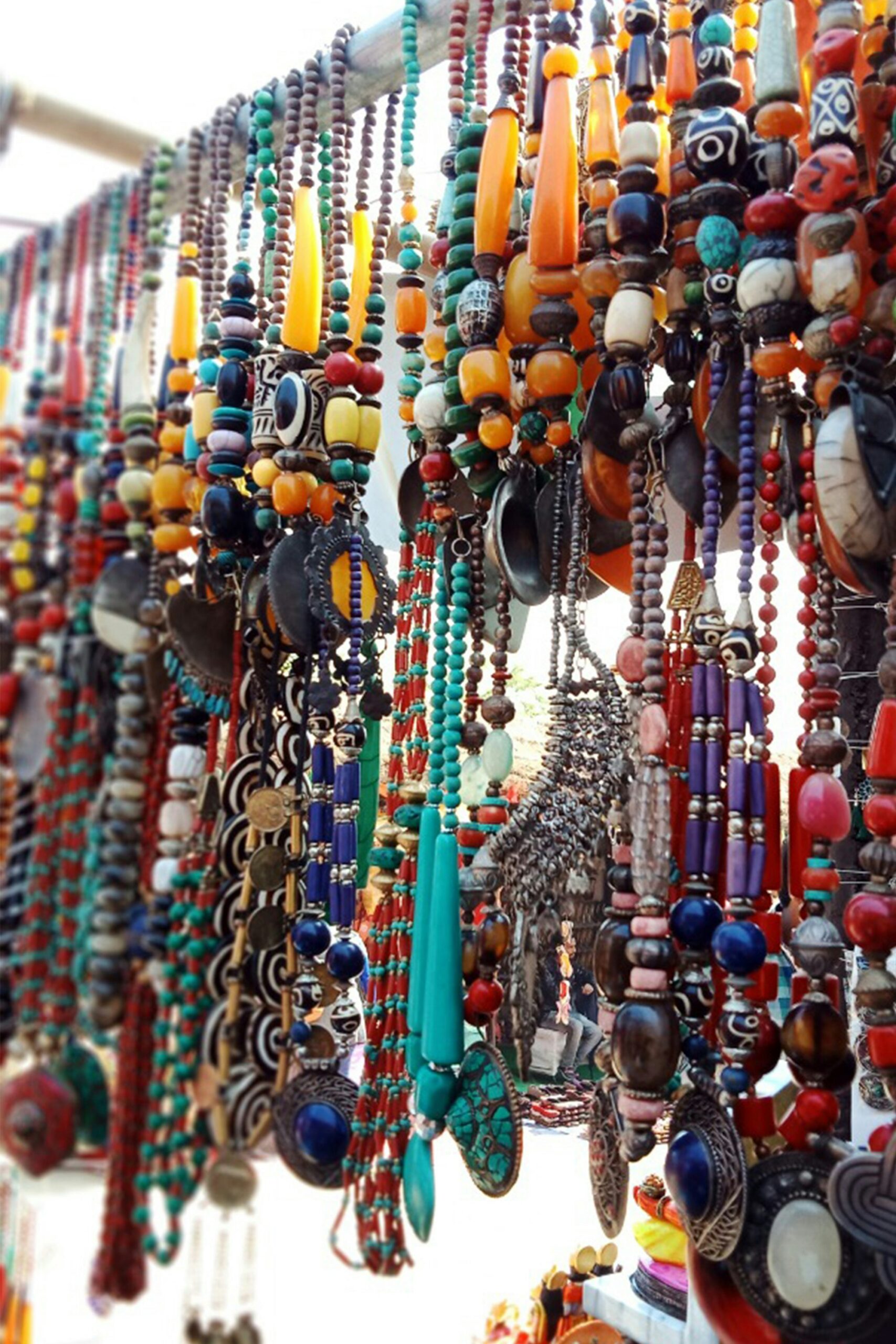
Vintage costume jewelry, especially chunky, colorful, beaded jewelry, is having a moment.
And the good news is that estate sales are an easy place to source these items!
Look beyond fine jewelry and pay attention to unusual colors, oversized beads and pieces with strong vintage styling.
This is also a nice inventory category because it takes up very little space.
12. Vintage Clothing
Vintage clothing continues to be super popular with younger shoppers.
Some especially strong categories include:
- vintage denim
- jeans
- jackets
- old T-shirts
- college and sports shirts
- band shirts
- flannels
- polo shirts
- vintage leather
And yes, things from the 1990s count as vintage now! As somebody who actually wore those clothes the first time around, I’m still working through that one.
I’ve talked with booth sellers who keep just one small rack of vintage clothing in their space and say those sales consistently cover their booth rent.
Unfortunately, some antique malls still don’t allow clothing. If you happen to be reading this and you’re a mall owner, I think that’s worth reconsidering.
Vintage clothing is bringing an entirely new generation of shoppers into antique and vintage stores! If you’re concerned about allowing it, you can set standards for quality and limit how much clothing vendors carry without eliminating the category altogether.
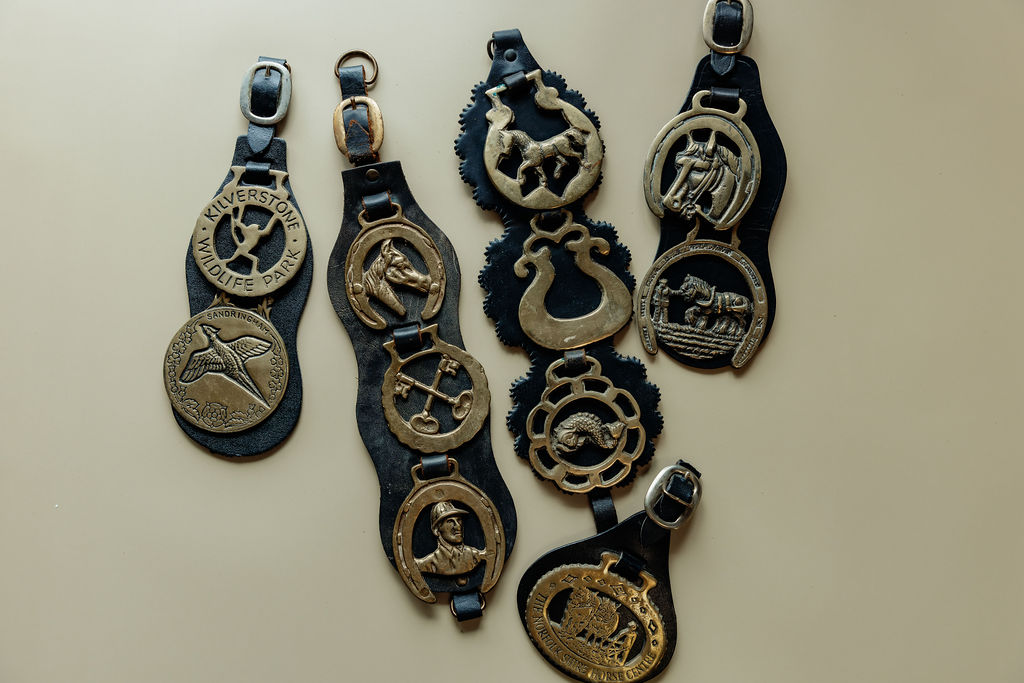
13. Equestrian Decor
Equestrian-inspired decor is another category I’m watching right now.
That could include:
- horse artwork
- equestrian books
- horse figurines
- statuary
- horse brasses
- riding-related accessories
This category works especially well with traditional, English and collected interiors, which are all continuing to influence home decor.
14. Marble and Alabaster
Marble and alabaster pieces are also showing up more often.
Look for things like:
- lamps
- urns
- small bowls
- bookends
- decorative objects
While cottage-style decorating is giving us lots of bright color and pattern, there’s another customer who still wants something simpler and more classic. Marble and alabaster fit beautifully into that look.
The downside to this one though is that these pieces are heavy. Which means shipping can become expensive quickly.
So this may be a better category for antique booth sellers than online sellers.
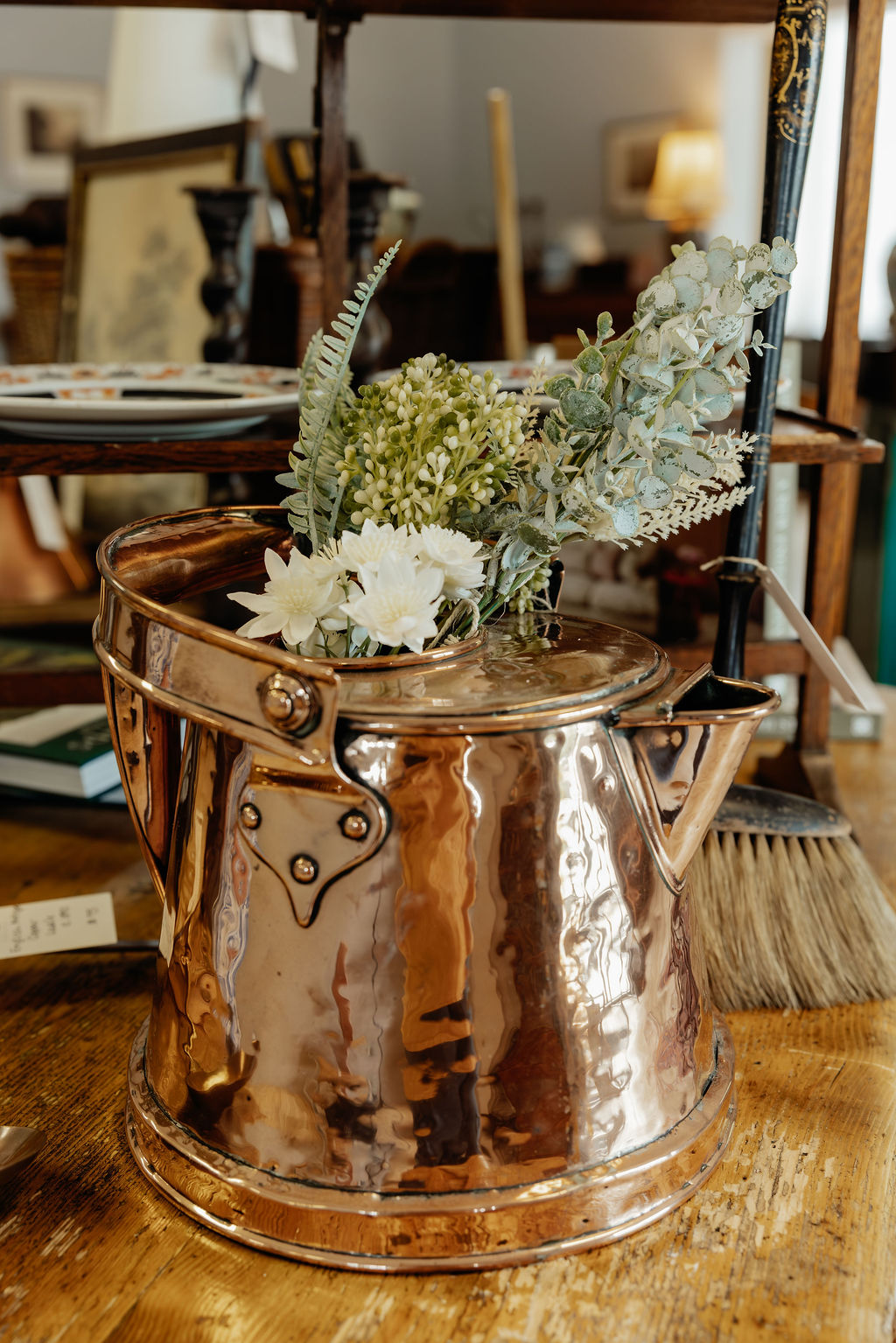
15. Copperware
Last on my trending list is copper.
Metals have always cycled in and out of popularity and we’ve been living in a very brass-heavy season for several years now.
But I think copper is starting to poke its head back out, I’ve personally seen an increase in my copper sales lately.
It has a warmth that works beautifully with wood, old textiles, blue-and-white pottery and traditional interiors.
And I’m seeing interest in both polished copper and pieces with plenty of old patina.
5 Vintage Items That May Be Slowing Down
Now let’s look at the other side of the coin. There are also a few categories that aren’t selling as quickly for me right now.
And that doesn’t mean you should never buy them . . . But I would be more cautious about paying high prices for these categories right now.
And remember, your local market may be completely different from mine. So becoming an expert of your area first is the most important step.
Brass Figurines
I don’t think brass is dead, but I do think the market is correcting itself.
Brass became so popular that everybody started sourcing it, and now there’s a lot of it available. I’m seeing pieces sitting in booths with pretty optimistic price tags.
It’s basic supply and demand.
When something isn’t especially hard to find anymore, customers aren’t going to keep paying premium prices for it.
Vintage Tins
This one hurts me a little because I love old tins! But unfortunately, mine have gotten harder and harder to sell.
I had a beautiful teal vintage Fairy Soda tin that a few years ago was selling online for close to $100.
Last year I struggled to move mine for around $40.
The more primitive decorating aesthetic just isn’t as dominant right now. There will always be collectors, but personally I’m being much more selective when I buy tins.
Crock Bowls
Crocks are another category that exploded in popularity . . . and then everybody went sourcing for them.
Sound familiar?
They’re still useful and decorative, and good examples certainly have value. But they’re also large, heavy and difficult to ship.
And because there are so many on the market now, prices seem to be settling back down.
Vintage Paint-by-Numbers
This is probably the category I’m saddest to put on this list.
I love vintage paint-by-numbers!
I still buy them for myself, but the ones I’ve tried to sell recently have required much bigger markdowns than they used to.
Restaurant Ware
Last is restaurant ware. Think the heavy, commercial dinnerware made by companies like Shenango and Buffalo China.
For me, this category completely flattened out at the end of last year and into this year.
I simply couldn’t move it.
In fact, I’ve pulled some of my remaining pieces out of inventory and started using them at home with my own family.
The Most Important Vintage Trend to Watch Is Your Own
Trend lists are fun. And they can absolutely help you spot things you might otherwise walk past while sourcing.
But after almost 15 years of doing this, here’s what I want you to remember:
The best antique dealers don’t just know what’s trending. They know their customers.
Pay attention to what sells quickly.
Notice what customers repeatedly ask for.
Track which categories give you the best profit margins.
And don’t keep buying something simply because somebody on Instagram says it’s hot.
Use trends as one piece of information, not your entire business strategy. Because at the end of the day, we aren’t trying to collect the trendiest pile of inventory.
We’re trying to build profitable, sustainable businesses.
And those are two very different things.
I’d love to hear what you’re seeing in your own area!
What vintage items are selling like crazy for you right now? And what category would you add to the “slowing down” list?
Leave me a comment below, I always enjoy hearing what’s happening in antique malls and vintage shops around the country.
And if you’re working on growing your vintage reselling business, check out these resources next:
RELATED POST: 10 Things I Wish I Knew When I Opened My First Antique Booth
RELATED POST: Practical Tips from Veteran Antique Booth Sellers
RELATED POST: How to Pick the Right Price for Your Antique Booth Items
BUSINESS RESOURCE: How to Think Like a Business Owner Mini Course
Jerri
Thursday 13th of August 2026
I'm in Kentucky. Equestrian is always hot here especially around May. Tins have slowed down for me as well as brass figurines. I can still sell unique crock bowls. Especially yellow ware bowls. Silver plate it slow right now. I'm hoping it comes back as I have several really nice pitchers. Vintage flatware is a big seller for me. Not the knives so much, but the serving pieces, soup spoons, tea spoons, sugar spoons, tomato spoons and the forks do pretty good also.
I've had success mixing primitive pieces with newer up-cycled pieces. Restaurant ware has slowed some. I can still sell the creamers and small platters (people use them as spoon rests). Pitchers are a big seller for me. Any kind of pitcher, ironstone, enamel, restaurant ware, copper, brass, or clear glass.
Enjoyed your blog.
Elisa Yager
Wednesday 12th of August 2026
Hi Melanie. Great content. Thank you! I own a shop and I have vendors. Right now I'm selling a lot of repurposed furniture. Not massive dressers or bureaus, but narrow couch tables, end tables, side tables, jewelry armoires and secretary desks. I am an hour to New York City and an hour to Philadelphia so I get young singles or couples who live in an apartment in those areas looking for smaller pieces to fit into their limited space. To your point, odd pieces are selling well; artwork, ceramics, pottery, unusual linens, etc.
Ginger
Wednesday 12th of August 2026
Wow! so glad I found you - you are a wealth of knowledge and I will be using your guidance.....thanks so much