
So, you finally did it—you rented your first antique booth. You’ve spent weekends sourcing treasures, arranging them just right, and maybe even dreaming of quitting your day job.
But a few months in… *crickets*. Your booth isn’t selling like you hoped.
You’re not alone. I’ve been in this world for over a decade, and I’ve seen a lot of booths come and go.
The good news? Most of the reasons booths fail are fixable. So let’s get real about why antique booths fail—and how you can turn things around.
Reasons Why Antique Booths Fail
1. No Clear Style or Theme
The Problem:
A booth that looks like a garage sale is hard to shop. If your space feels random or all over the place, customers won’t know what to expect—or where to look.
The Fix:
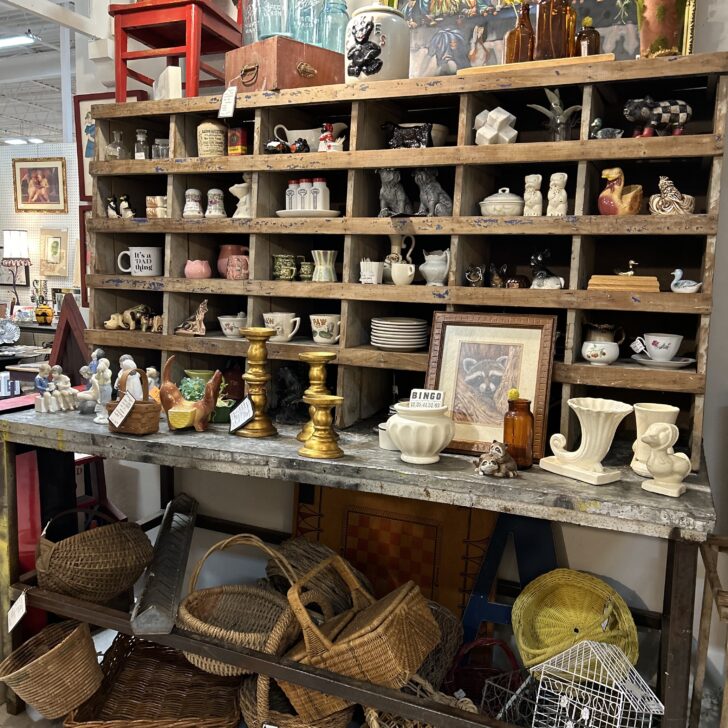
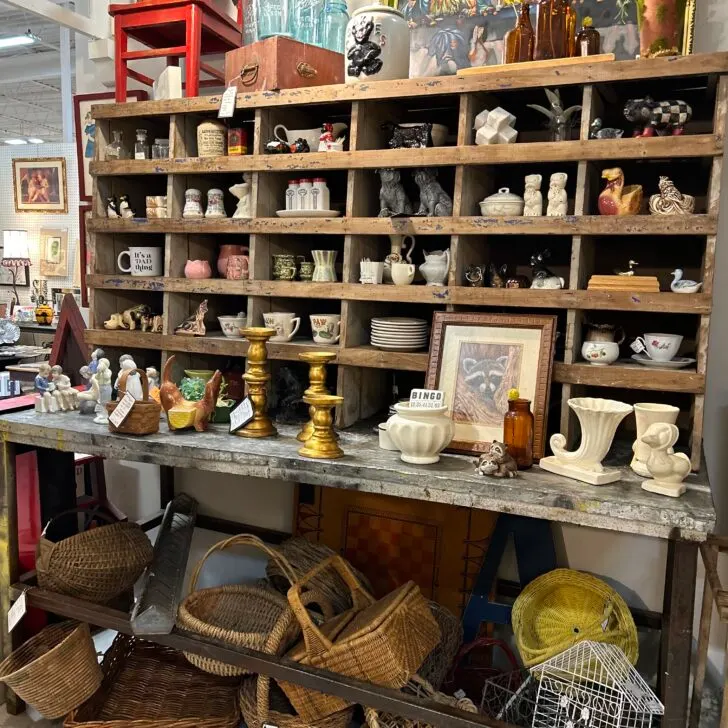
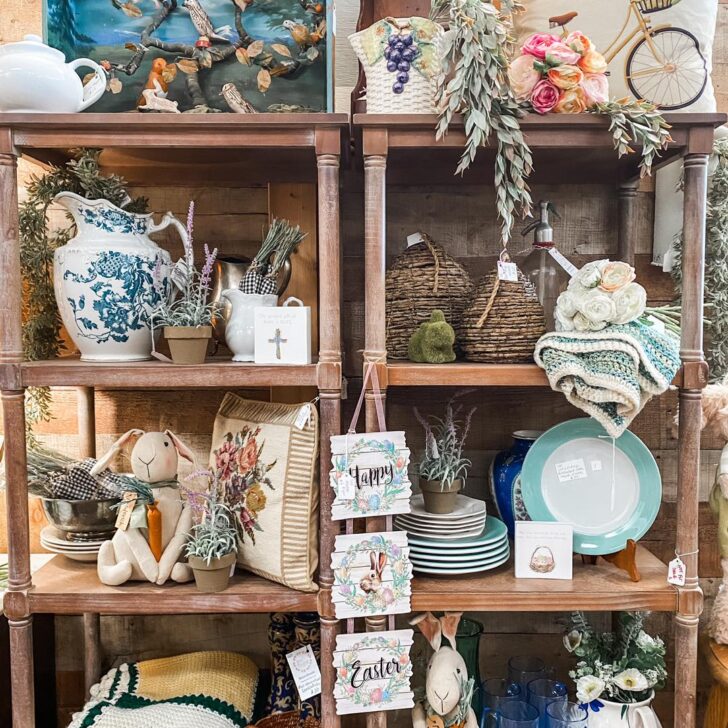
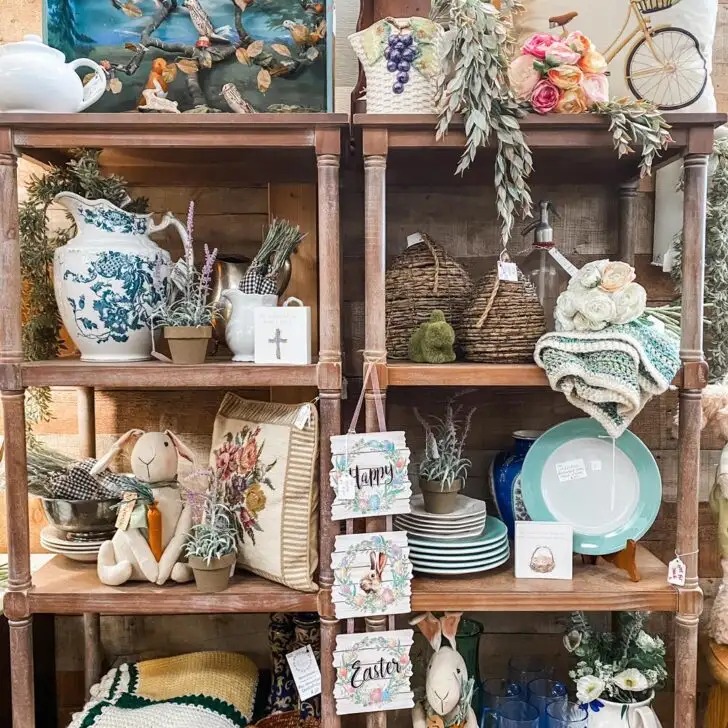
Pick a style lane and stay in it. Whether it’s French country, farmhouse, boho, mid-century modern, or rustic industrial—your booth should feel cohesive.
That doesn’t mean every piece has to match, but it should all belong together.
Try This:
Take photos of your booth and compare them to photos of booths you love (or Pinterest pins you admire). What’s different? Edit, curate, and commit to a signature look.
2. Not Restocking Frequently Enough
The Problem:
You worked hard to set up your booth… and then left it alone for weeks. Customers come back and see the same dusty dresser and chipped teacups and think, “nothing new here”.
The Fix:
Treat your booth like a living, breathing space. That means new inventory at least once a week—even just a few new items or a reshuffle can signal, “fresh stuff!”
Try This:
Set a restocking schedule you can stick to. Even 20 minutes a week to drop in, rearrange, and add 3-5 small items can make a big difference.
3. Pricing is Confusing or Inconsistent
The Problem:
Too high, and people walk away. Too low, and you don’t make money. Even worse? No prices at all or cryptic tags with just a scribbled number and no description.
The Fix:
Your pricing should reflect your style, market, and value. And every item should be clearly labeled with a price and a brief, clear description (especially for vintage/antique pieces).
Try This:
Walk your mall and study what’s selling. Use a pricing app or keep a spreadsheet to track what your ideal customer is willing to pay. Always ask: *Would I pay this much for this piece, in this condition, in this setting?
RELATED POST: How to Pick the Right Price for Your Antique Booth Items
4. Poor Booth Layout and Flow
The Problem:
Customers get stuck, overwhelmed, or don’t want to step inside because it feels cramped, cluttered, or dark.
The Fix:
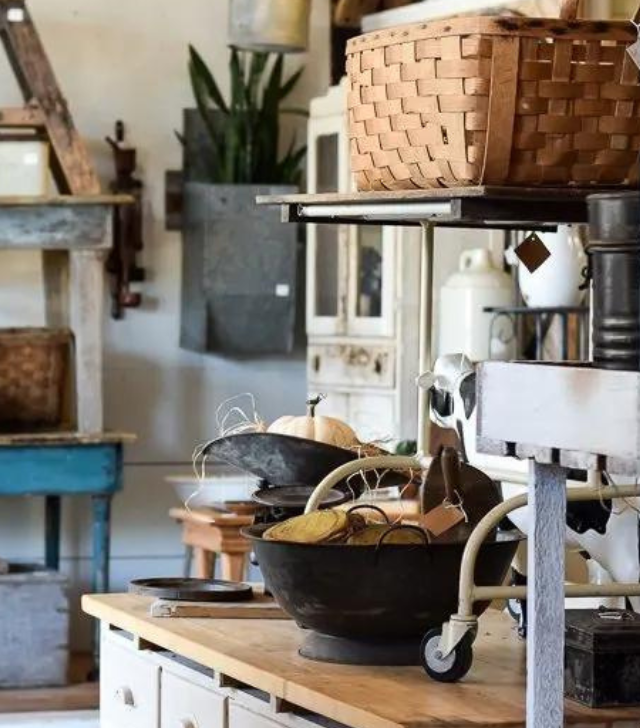
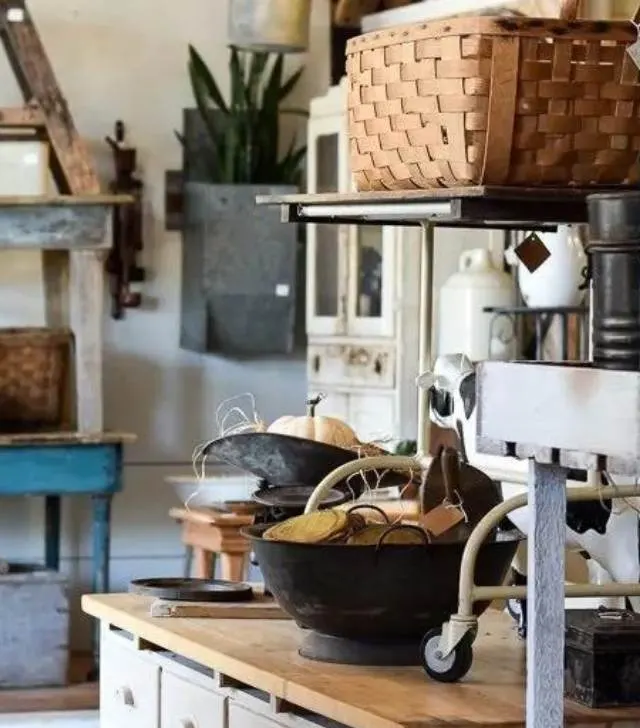
Create clear pathways, focal points, and breathing room. Think of your booth like a tiny shop—people need to want to step inside and feel invited to linger.
Try This:
Stand at the edge of your booth. Is there something eye-catching pulling people in? Can they walk through without bumping into things? Rework the layout every month if needed—movement keeps the energy (and sales) up.
5. You’re Selling What You Like, Not What Customers Want
The Problem:
You love primitive crocks and 1970s ashtrays. But your customers might not.
The Fix:
Successful sellers find the overlap between what they love and what sells. Pay attention to your mall’s bestsellers and seasonal trends.
Try This:
Track your sales and take notes: What sold quickly? What always gets picked up but not bought? Adjust your buying accordingly. Stay flexible—you’re running a business, not just decorating for fun.
6. Not Promoting Outside the Mall
The Problem:
You’re relying 100% on mall foot traffic. But even the best mall may not bring in your ideal customer if they don’t know you exist.
The Fix:
Market yourself! Social media, email lists, Facebook Marketplace, Instagram Reels, vendor markets—you have more tools than ever.
Try This:
Create an Instagram account just for your booth. Share photos of new items, behind-the-scenes sourcing, and even “flash sales” for local followers. Tag your mall and build relationships with nearby booths. Community sells.
7. You Gave Up Too Soon
The Problem:
You expected instant profit. When the first month flopped, you felt embarrassed and discouraged—and maybe stopped trying.
The Fix:
Antique booths are a long game. It takes months of refining, restocking, and learning. Most successful booth owners had to tweak, fail, and try again.
Try This:
Set a 6-month commitment. Track what’s working and what’s not. Celebrate small wins (like a \$100 day!) and use slow days to reorganize or rethink. Don’t judge your booth too soon—it’s still growing.
Final Thoughts on Running a Successful Vintage Booth
If your booth isn’t working the way you hoped, you’re not alone—and you’re not doomed. Every seller starts somewhere.
The ones who succeed? They pay attention. They experiment. They don’t give up.
You’ve got good taste. You’ve got a vision. Now you’ve got a plan.